
District Heating and Cooling Systems: A Key to Future-Proof Energy Supply
Efficient and sustainable energy supply is one of the defining challenges of our time. In light of the decentralized energy transition, we need solutions that not only reduce emissions but are also reliable, scalable, and economically viable. One promising approach that meets all these criteria is district heating and cooling systems, especially those operating at low temperatures—also known as anergy networks or cold energy grids. These systems enable environmentally friendly and cost-effective energy supply for both urban and rural areas. But how do they work—and what role do they play in the future of energy?
What Are Anergy Networks? Basics of Modern District Heating and Cooling Systems
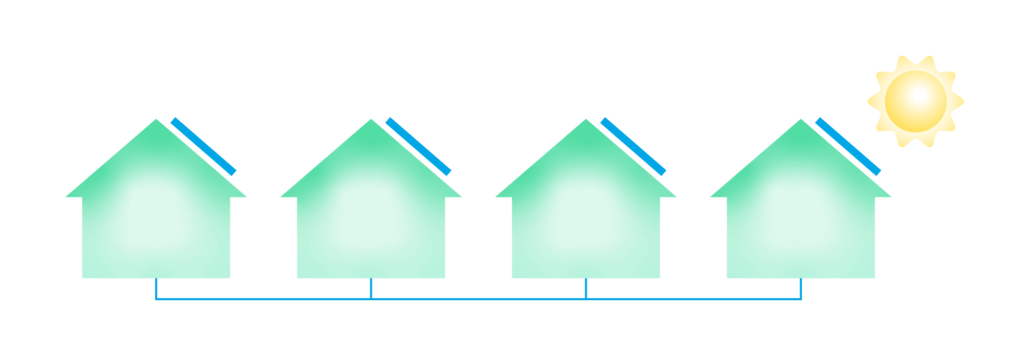
Unlike traditional heating grids that distribute hot water or steam, anergy-based district heating and cooling systems use cold water or other low-temperature fluids to transport thermal energy. These fluids circulate efficiently through a two-pipe system and can be used both for heating and district cooling. In summer, buildings can dissipate heat into the network; in winter, they draw thermal energy from it. The recovered heat from one building can be used to heat another, reducing the load on centralized energy sources.
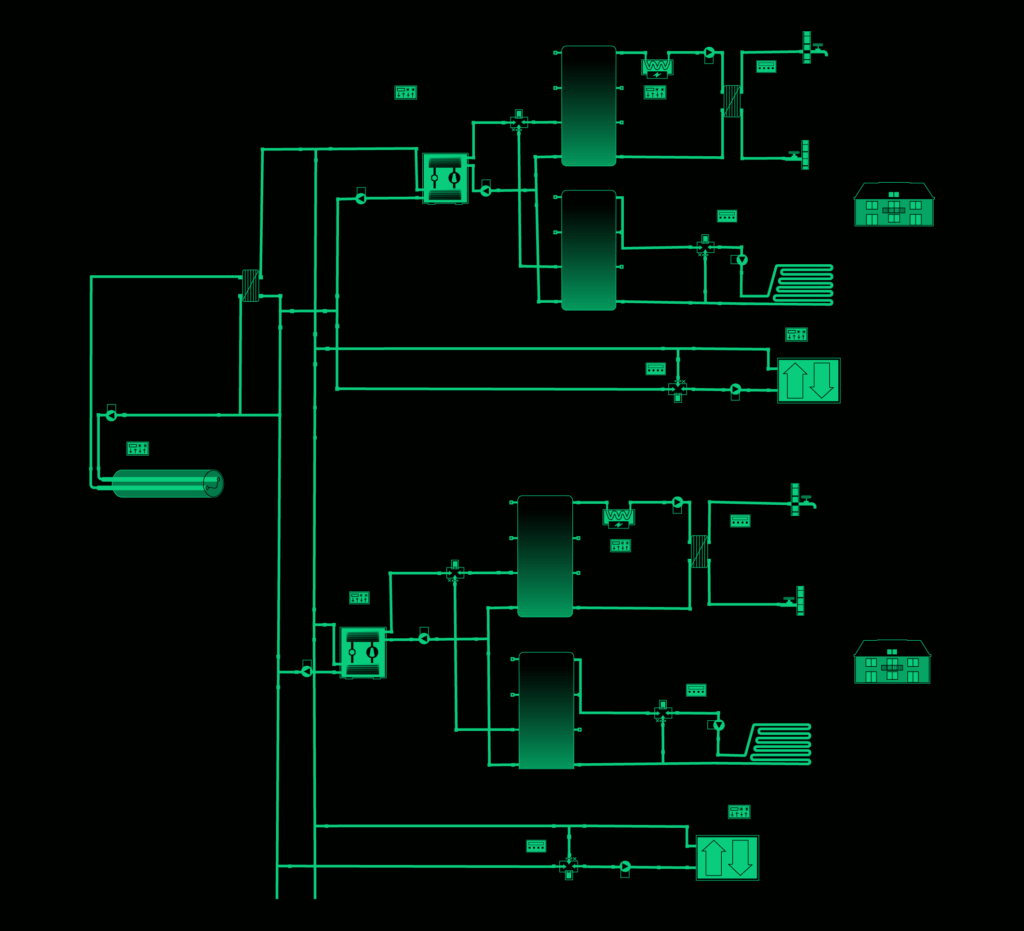
This dual function makes cold district heating and cooling systems especially flexible and efficient. They also enable the use of anergy—low-temperature thermal energy from renewable or waste sources that would otherwise remain untapped. This includes geothermal energy, treated wastewater, surface water, or solar thermal energy. When combined with decentralized heat pumps and thermal storage, these systems become powerful components of next-generation energy infrastructure..
The Role of Renewable Energy Sources in District Heating and Cooling Systems
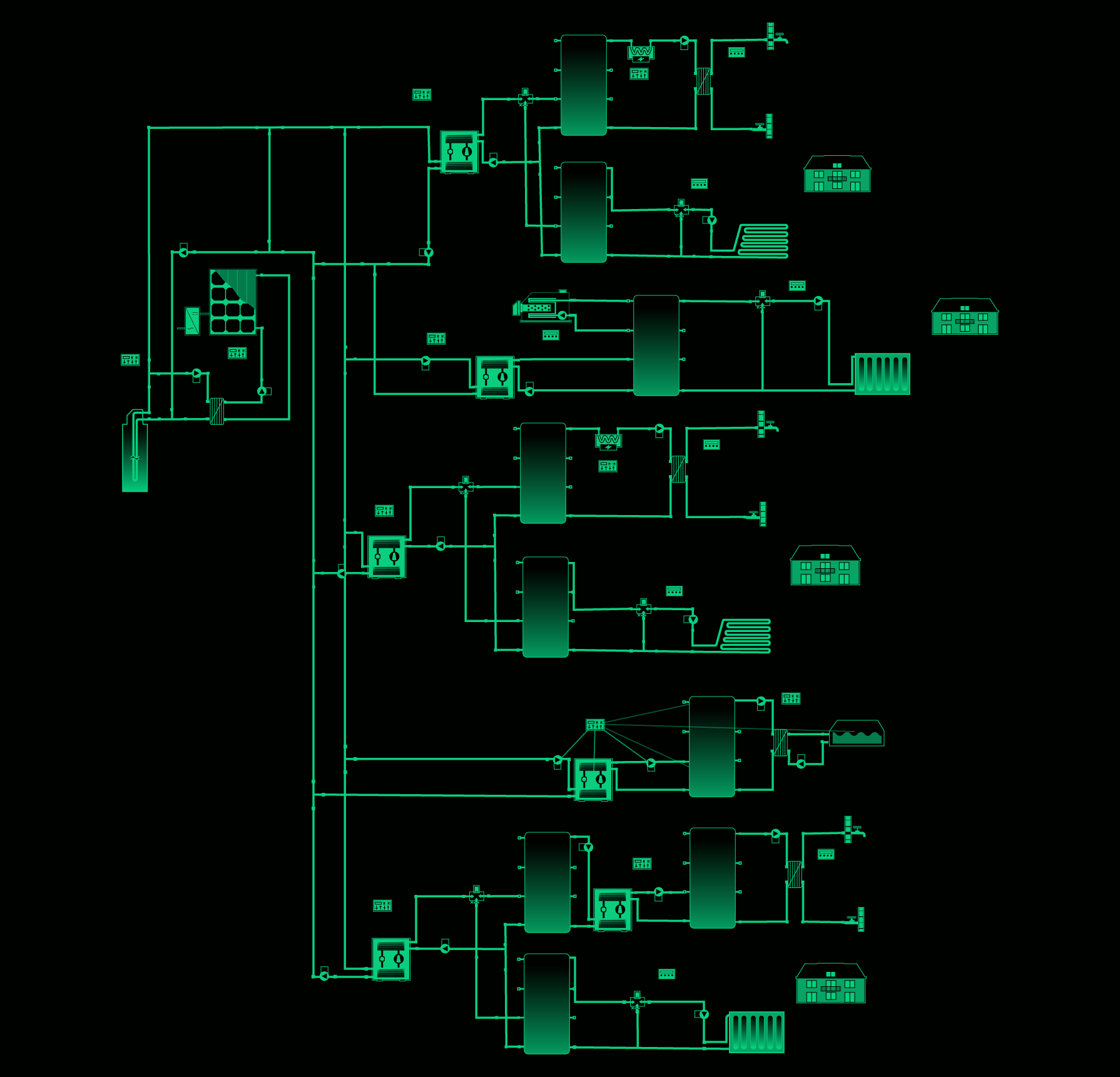
The integration of renewable energy sources is a crucial factor for the efficiency and sustainability of modern district heating and cooling systems. By leveraging these resources, district heating and cooling systems can be operated not only in an environmentally friendly way but also cost-effectively. Below are some of the most important renewable energy sources that can be utilized for district heating and cooling, including systems based on anergy and district cooling principles:
- Photovoltaics (PV):
Excess solar power generated by a PV system can be used to operate heat pumps that provide buildings with heat at usable temperature levels. This approach reduces operating costs and allows solar energy to be consumed directly where it is produced, increasing overall system efficiency. - Hybrid Solar Panels (PV-T):
Hybrid Solar Panels simultaneously generate solar electricity and thermal energy. PVT modules offer an efficient solution for harvesting both forms of energy from limited roof or façade space. By combining electricity and heat production, the energy consumption of heat pumps is optimized, boosting the efficiency of the entire district heating and cooling system. - Geothermal Probes:
Geothermal energy is a particularly stable and reliable energy source for district heating and cooling systems. Geothermal probes extract anergy—low-temperature environmental heat—from the ground, which can be efficiently transported through uninsulated pipes. This technology provides a long-term, stable solution that operates independently of seasonal fluctuations and supports both heating and district cooling needs.
- Solar Thermal Energy: Solar radiation can be directly converted into heat and fed into the district heating and cooling network. Especially during spring and fall, when temperatures are mild, solar thermal energy plays a key role in providing heat and improving the overall efficiency of the system. Solar collectors are also ideal for regenerating seasonal thermal storage in micro grids, supporting a more flexible energy infrastructure.
- Ice Storage Systems: Ice storage technology utilizes the latent heat of water during phase change to provide heating energy in winter. During summer, surplus heat or solar energy is stored in ice storage tanks and released in winter. This balances seasonal fluctuations in energy supply and demand, ensuring a continuous and reliable heat supply for district heating and cooling systems.
- Wastewater Heat Exchangers: Wastewater offers a constant temperature resource that can be harnessed year-round. Wastewater heat exchangers capture the heat contained in wastewater to supply district heating and cooling networks. This is especially valuable in densely populated urban areas, where access to other natural energy sources may be limited and efficient micro grids are essential.
Why Simulation Technology Is Essential for Reliable Planning of District Heating and Cooling Systems

Optimize Energy Flows:
Through accurate simulation of network structures, potential energy losses can be identified and minimized. Simulations help boost the efficiency of the entire district heating and cooling system by fine-tuning energy consumption and avoiding unnecessary losses. As a result, the overall profitability of the project is enhanced.

Calculate Economic Viability:
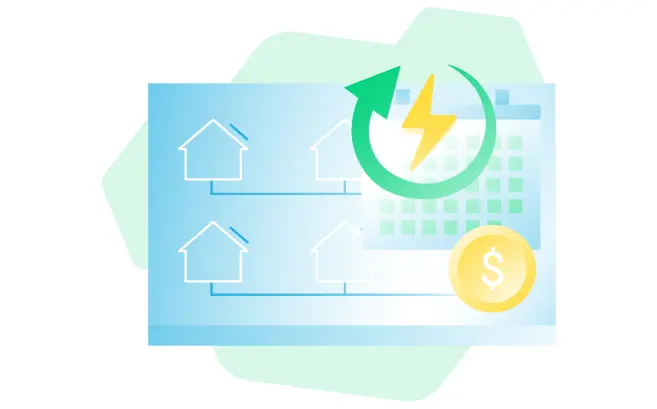
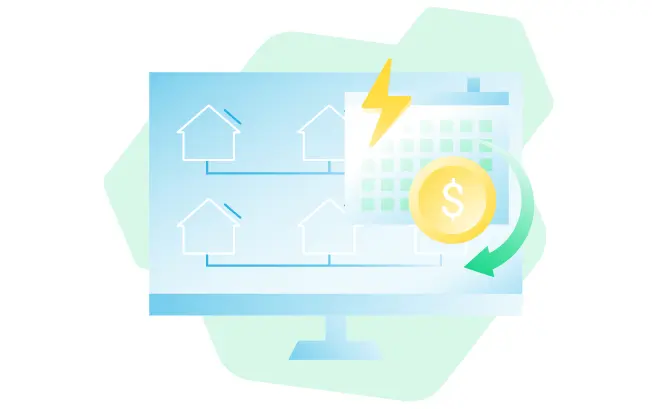
Simulation models allow for a detailed analysis of investment costs and potential savings. This makes it possible to assess the profitability of a cold district heating and cooling system at an early planning stage—crucial for minimizing financial risks and securing project funding.
Manage Temperatures and Loads:
Simulating temperature behavior and load patterns within the network is vital for ensuring constant and reliable thermal supply. Simulation tools accurately predict and adjust system requirements, preventing both over- and undersupply. This ensures the network always operates at optimal performance levels.
Efficient Integration of Renewable Sources:
Incorporating various renewable energy sources into district heating and cooling systems—such as anergy, solar, geothermal, or waste heat—is one of the greatest challenges in planning. Simulation helps analyze the interactions between these sources, optimize their dimensioning, and identify the best combination for energy flow management and maximum system performance.

Long-Term Planning and Adaptation:
The use of simulation technology supports long-term system planning and adaptation to future changes. Factors like climate change, technological advancements, and evolving user demands can be integrated into simulations to ensure the district heating and cooling system remains efficient over time. This provides a solid foundation for continuous improvement and optimization.
Success Factors for District Heating and Cooling Systems
The success of district heating and cooling systems depends on holistic and careful planning. Key factors include:
- Intelligent control systems: Modern control and regulation technology ensures efficient, demand-driven operation and reduces operating costs.
- Future-readiness: The ability to expand and integrate new technologies (such as sector coupling or power-to-heat) makes the system economically and sustainably viable in the long term.
- Demand-driven design: Accurate analysis of the heating and cooling needs of all connected buildings forms the basis for sizing generators, networks, and storage.
- Flexible energy generation concepts: Combining various energy sources (e.g., heat pumps, CHP units, solar thermal) increases security of supply and enables optimal use of renewables.
- Efficient network structure: Hydraulically and thermally optimized networks minimize energy losses and ensure even supply to all consumers.
Conclusion
District heating and cooling systems are a promising solution for sustainable and cost-efficient energy supply. By leveraging renewable energy sources and advanced simulation technology, these systems can maximize efficiency, reduce CO2 emissions, and decrease dependence on fossil fuels. Understanding the micro grids definition and integrating technologies such as anergy and district cooling can help communities build resilient, future-ready energy networks.
FAQ
What are recommended Supply and Return Temperatures for Low Temperature District Heating and Cooling Systems
District heating and cooling systems are evolving rapidly, with low temperature networks (Low Temperature District Heating, LTDH) becoming increasingly popular due to their superior energy efficiency and sustainability. Unlike traditional high-temperature district heating, LTDH operates at much lower supply and return temperatures, which reduces heat losses, improves energy efficiency, and enables the integration of renewable and surplus heat sources.
Typical Temperature Ranges in District Heating and Cooling Systems
Traditional District Heating (2nd/3rd Generation):
Supply temperature: 176–212°F (80–100 °C)
Return temperature: 122–158°F (50–70 °C)
Low Temperature District Heating (LTDH/4GDH):
Supply temperature: 122–140°F (50–60 °C, sometimes up to 149°F/65 °C)
Return temperature: 77–86°F (25–30 °C, sometimes up to 104°F/40 °C)
Ultra-Low Temperature District Heating (5GDH):
Supply temperature: 50–77°F (10–25 °C)
Return temperature: 46–61°F (8–16 °C)
Recommended Temperatures for LTDH
For most district heating and cooling systems using LTDH, the recommended supply temperature is 122–140°F (50–60 °C), and the return temperature is 77–86°F (25–30 °C). In some applications, supply/return pairs of 131/77°F (55/25 °C) or 140/86°F (60/30 °C) are also effective, depending on the specific requirements of the buildings and the system design.
What Is an Anergy Network?
An anergy network—also known as a cold district heating network, low temperature network, or sometimes used synonymously with these terms—is a type of thermal distribution system that transports heat at very low temperature levels, typically between 41°F and 77°F (5 °C and 25 °C). The term anergy comes from thermodynamics and refers to energy that cannot be used directly for work, but can still be utilized—for example, with the help of a heat pump.
Anergy networks are a key innovation in modern district heating and cooling systems. By circulating low-temperature energy, these systems minimize heat losses and enable the use of renewable sources, waste heat, and even ambient energy. In buildings, heat pumps upgrade the low-grade heat from the anergy network to the required temperature for heating or hot water. This approach also supports district cooling and allows for bidirectional energy flows, making it ideal for integration with micro grids (see: micro grids definition).
Anergy networks represent a sustainable and efficient solution for next-generation district heating and cooling systems, helping communities reduce carbon emissions and dependence on fossil fuels while maximizing the use of local, renewable energy resources.
What Are the Advantages of Cold District Heating and Cooling Systems?
District heating and cooling systems based on cold or low-temperature concepts provide a forward-looking, energy-efficient solution for supplying heating and cooling to entire neighborhoods or urban districts. One of their key advantages is the ability to deliver both heating and district cooling through just two pipelines. This enables direct energy exchange between buildings: waste heat from one user’s cooling process can be used as a heat source for other buildings. As a result, the required heating and cooling capacity at the central energy plant is significantly reduced.
Cold district heating and cooling systems unlock environmental and low-temperature energy sources—such as wastewater, rivers, lake water, and shallow geothermal energy—that would not be economically viable in conventional high-temperature district heating networks. By using decentralized heat pumps, these systems create strong coupling between the electricity and thermal sectors (sector coupling), which supports the integration of renewable energy.
When thermal storage is added to the network, entire neighborhoods can react flexibly to power grid signals and help stabilize the energy supply. This flexibility is particularly important for integrating renewable energy sources and supporting modern micro grids (see: micro grids definition).
Thanks to their efficient energy exchange, use of anergy sources, support for district cooling, and advanced energy management capabilities, cold district heating and cooling systems are setting new standards in sustainable urban infrastructure and are a centerpiece of future-oriented energy planning.
What Are the Disadvantages of Cold District Heating and Cooling Systems?
While district heating and cooling systems based on cold or low-temperature networks offer many advantages, they also present certain challenges that must be considered. One of the primary drawbacks is the currently limited base of practical experience: although numerous systems have already been implemented, there is still a lack of standardized design procedures, reliable calculation tools, and comprehensive planning guidelines in many regions.
From a technical perspective, cold district heating and cooling systems—often referred to as anergy networks—require higher flow rates than traditional high-temperature district heating due to the smaller temperature difference between supply and return lines. This increases the demands on pipe sizing, especially regarding diameter and hydraulic performance. While these larger pipes can often be constructed using cost-effective plastic piping, it still results in additional planning and execution effort.
Operation of cold district heating and cooling systems is also more complex: decentralized heat generation with heat pumps, bidirectional energy flows, and the simultaneous provision of heating and district cooling necessitate a carefully designed control strategy. Without precise monitoring and intelligent controls, the overall efficiency of the system can suffer—especially in cases with major seasonal load fluctuations or mixed building usage.
In summary, although cold district heating and cooling systems offer outstanding potential for efficient, sustainable energy supply—with advantages such as integration of renewables and support for micro grids (see: micro grids definition)—they also demand advanced technical solutions, thorough planning, and ongoing system optimization to fully realize their benefits.omplexer: Die dezentrale Erzeugung durch Wärmepumpen, der bidirektionale Energiefluss und die gleichzeitige Bereitstellung von Wärme und Kälte machen eine durchdachte Regelungsstrategie notwendig. Ohne ein präzises Monitoring kann die Systemeffizienz leiden – insbesondere bei saisonal stark schwankenden Lastprofilen oder heterogener Gebäudenutzung.
What Are the Different Terms for Cold District Heating and Cooling Systems?
The concept of cold district heating and cooling systems is described under several terms in both technical literature and industry practice, with terminology varying based on region, technical design, or specific application. Common synonyms and related terms include:
Cold District Heating (Kalte Nahwärme):
The most widely used term in Germany for networks that operate with low supply temperatures (typically 50–77°F / 10–25 °C), where the actual useful heat is generated decentrally, often by heat pumps in individual buildings.
Low Temperature District Heating (LTDH) / Low-Temperature Networks:
Refers to systems with supply temperatures between 86–140°F (30–60 °C), but sometimes also includes even lower temperature ranges. These are increasingly common in innovative district heating and cooling systems worldwide.
Anergy Network:
Highlights the fact that these networks transport “anergy”—low-temperature heat energy from sources such as the ground, groundwater, or waste heat (see: anergy in energy systems), which must be upgraded locally, typically with heat pumps.
5th Generation District Heating and Cooling (5GDH):
An internationally recognized term for bidirectional networks operating at very low temperatures, enabling buildings to both extract and feed heat/coolth into the network, supporting both heating and district cooling in a flexible, decentralized way.
Ultra-Low Temperature District Heating:
Describes networks with particularly low operating temperatures, typically below 77°F (25 °C), providing new opportunities for integrating renewable sources and waste heat.
Thermal Low Temperature Network:
A general term for district heating and cooling systems that operate at significantly lower temperatures than conventional high-temperature district heating systems.
All of these terms describe innovative forms of district heating and cooling systems that work at low temperature levels, efficiently utilize renewables and anergy sources, and enable flexible, decentralized energy supply. These systems are often integrated with micro grids (see: micro grids definition) for advanced, future-ready, and sustainable urban infrastructure.
What Is the Peak Load Requirement for Cold District Heating and Cooling Systems?
When planning district heating and cooling systems—especially those using cold or low-temperature concepts such as anergy networks—the worst-case scenario requires the network to cover the maximum simultaneous extraction load of all connected heat pumps. In other words, the system must be able to deliver enough low-temperature energy to meet the peak heating demand of every building at the same time.
However, in practice, a diversity factor is often considered. Because user consumption profiles vary and load peaks are typically not perfectly aligned, the actual peak load required by the network is usually less than the simple sum of the individual building heating demands. According to industry literature, this value can be reduced to about 85% of the total summed load in new residential developments.
For accurate and cost-efficient system sizing, it’s critical to base the design on detailed load analyses and, ideally, to use simulation tools. Modern simulations allow planners to optimize the network, account for load diversity, and avoid costly over-dimensioning. Simulation technology is key in designing resilient and efficient district heating and cooling systems that incorporate anergy sources, support district cooling, and can be integrated into micro grids (see: micro grids definition) for smart, future-ready energy supply..
Are Energy Storage Systems Needed When Planning District Heating and Cooling Systems?
Yes, the planning of district heating and cooling systems—especially those utilizing cold or low-temperature concepts like anergy networks—often requires the integration of energy storage solutions. However, the specific need and design for storage depend on several factors, including the source concept, load patterns, network size, and the usage profiles of connected buildings.
Overview of Key Storage Solutions and Their Functions
Balancing Peak Loads:
Storage systems are used to buffer short-term spikes in heating or cooling demand, so that the primary energy source does not need to be oversized. Technologies such as ice storage or large-scale thermal tanks provide flexibility during peak times.
Seasonal Energy Shifting:
Solutions like borehole thermal energy storage (BTES) fields or ice storage tanks allow for the seasonal transfer of thermal energy—for example, storing heat from summer solar gain for use in winter heating. This enhances the year-round efficiency of district heating and cooling systems.
Source Regeneration:
An intelligently managed storage strategy helps prevent thermal depletion of sources such as ground or groundwater. By restoring or regenerating thermal stores, systems can reliably deliver energy year-to-year—crucial for the longevity of anergy networks.
Increased Supply Security:
Storage provides redundancy: if an energy source temporarily fails or needs maintenance, stored energy ensures that heating or district cooling can continue uninterrupted.
Integrating energy storage is especially important for modern micro grids (see: micro grids definition), which benefit from increased operational flexibility and resilience. By combining storage with advanced control strategies, district heating and cooling systems can optimize efficiency, maximize the use of renewables, and ensure reliable energy supply in both urban and rural settings.